
#19 Navigating Tech Burnout, AI Anxiety



The thing that keeps people up at night … was very rarely anything to do with tech or anything technical. It was pretty much always something to do with the human side of their job.
Key takeaways
- Build human skills, not just AI. Andy found what keeps tech leaders awake is rarely technical: it's team conflict, self-esteem and what their boss thinks, so invest in human skills alongside AI skills.
- Boundaries start with identity. Andy found overworked leaders know the theory of boundaries; what drives them is often an identity tied to work, while the healthiest leaders feel they matter beyond it.
- Presence needs the right conditions. Andy notes we rarely give people conditions for presence: back-to-back meetings, twelve-hour days and ten projects at once all work against listening calmly.
- Notice when AI becomes compulsive. Andy and Danny describe AI's compulsive pull, from checking it morning and night to endlessly asking it about hard decisions; Andy doubts it really helps him think better.
- Offer a one-minute pause. Danny used to open digital strategy workshops with an optional one-minute meditation for people arriving from back-to-backs; anyone who'd rather not could look out of the window.
Summary
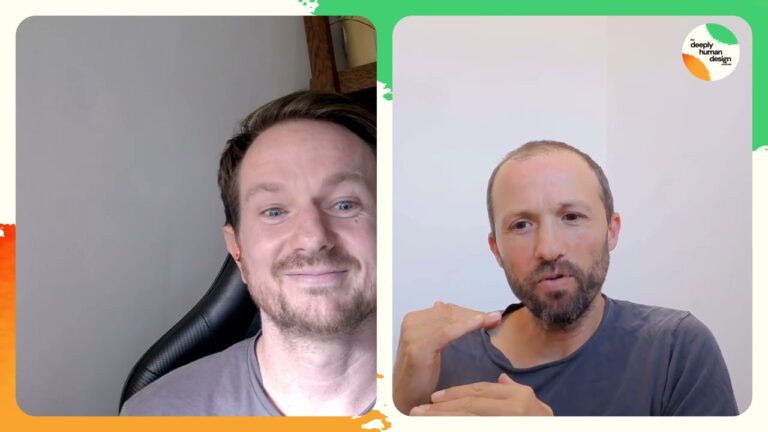
In this episode, leadership consultant Andy Hix joins us to share insights from his interviews with 85 tech leaders on the pressures they face, what keeps them up at night, and what separates those thriving in 2026 from those burning out.
Together, we unpack the intersection of tech, mental health, and well being, tackling everything from AI addiction and early adopter anxiety to how human centered leadership can bring joy back into the corporate workplace.
Mentioned in this episode
- Claude – Andy used it to spot themes across the interviews; Danny describes an addictive pull
- Psychological safety – Danny recalls psychologically safe organisations that still failed because their business model did not last
Andy
the thing that kept keeps people up at night, which is one of the questions I was literally asking them, was very rarely anything to do with tech or or anything technical. It was pretty much always something to do with the human side of their job. It was that.
Danny
Like a relationship at work or something.
Andy
Yeah, it’s it’s like having if there’s an issue with someone in my team or I worry, I wake up in the night and I’m like, what does my boss think of me? Am I doing a good enough job? So it’s things to do with self-esteem, self-confidence, self-belief, and relationship like conflicts within the team
Danny
Andy, this is great. This is great.
Andy
Danny.
Danny
I’m quite I’m quite so I’m always excited to talk to people. and I feel like I feel like this could be something quite different. because you’re not typically from the usual space that I draw guests from in the sense that you’re not a fully fledged designer with stripes and everything, but you are you have been focusing in the tech sector. And we know each other as well. so there’s there’s there’s also a bit of history and we have like similar circuits in London back in the day. so
Andy
Mm-hmm.
Danny
yeah, w thank you. Thanks for coming on and thanks for braving the deep deeply human design podcast.
Andy
Thanks for inviting me. I’m I’m looking forward to the conversation.
Danny
Yeah, thanks man. And like for people obviously, you know, would would you like to just sort of help people understand like who you are and and what you’ve been up to lately? Cause I think some of the work that you’ve been sharing with me about mental health and you know, i especially in the tech sector, I think could be quite interesting to talk about. So could could you help people understand like you know, what what what are you doing in this space?
Andy
Yeah, so I don’t have a tech background. I don’t work for a tech company, but as as a coach and a trainer, I specialise in working with people in tech. And beginning of the year I started doing a project where we’re interviewing people about what it’s like to be in tech right now, particularly for leaders. And I’ve been asking people, what do you enjoy? What do you find most stressful? what keeps you up at night? What does success look like for you? and is there anything any way any way you feel stuck? And I’ve done a seventy five of those so far. Some really big companies, some really small companies.
Danny
Seventy five people.
Andy
Seventy five people, yeah.
Danny
Wowza. That’s a lot.
Andy
It’s a lot. Yes. And I’ve got Claude to help me identify themes between them.
Danny
Yes.
Andy
around what what what is the difference between leaders right now who are really struggling because some of the people I’ve spoken to are like, I sleep for two hours a night, I’ve got heart problems, eczema, I don’t even have time to pee because I’m just in back to back meetings every single day. And then other people are like, Yeah, I’m fine. I enjoy life, I’ve got a great team, I love my work, I’m getting paid well. They just have a sense
Danny
Interesting.
Andy
of ease about their life.
Danny
Yeah, that it’s it’s it’s interesting how how it seems to impact people differently. I I wonder before we like dive in, like ’cause I I I remember I think I think we first met. I mean we I think we had like similar circ social circuits, but you used to run like I I got invited, somebody said to me, do you wanna come come to this thing? I like, What is it? It’s called Heart Space. I was like, Heart
Andy
Hmm.
Danny
space? Well so that sounds interesting. And I got Yeah, I turned I got given an address and I turned up I I think we had some mutual friends or something. I c I can’t quite remember how it all happened. And then I turned
Andy
Yeah. Yeah.
Danny
up at this like very small front room in some flat in London, I think it was a Candom. And
Andy
Hmm. Yeah it was.
Danny
yeah, and then there was like twenty of us crowded in and none of us knew each other that well, maybe like kind of rough circles. And then my memory of it is that you then led a series of like kind of gentle exercises of where we were like sharing our just meditation and we shared how we were feeling and and what was going on for us and a bit of a check-in. It’s just quite light, but like I’d never see I’ve never quite experienced something like that in that setting before. And in a pop up sort of way. And I that was my introduction to you. But obviously like
Andy
Mm.
Danny
you ran that kind of event this is a long time ago. Because you seem to have some draw into into that space of relating and talking
Andy
Mm-hmm.
Danny
and sharing feelings. Like i how did this begin? Like how how why did you do this? It sounds great.
Andy
Yeah, I remember you coming along to that that Heart Space. and it’s it was a group that I I I felt very passionate about and ran for a long time. I got into all of this, well I I’ve I’ve always been someone who is looking for I guess meaning in life more than more than like I want a career that’s just gonna pay the bills. I’m like what’s gonna be a meaningful way to live my life and to work. And my first passion when I was at school. Judent was climate change, because I thought, what’s the point of anything if the world is kind of ruined by climate change? And I completely dedicated myself to that for a few years. And then just ended up feeling like everything ever everyone was doing was totally futile. So I didn’t stop caring about it. I just thought I don’t know where to put my energy because nothing seems to be working and no one seems to have a plan. So I made videos as part of being an environmental campaigner. And I ended up doing that professionally. and I’ve set up my own business called Hicks Media and I was a freelancer for a few years just as a one-man band. And I loved being an entrepreneur, I loved being in a co-working space. You know, the hub, where I’m I met we’ve got some mutual friends from the hub, so that
Danny
Yeah.
Andy
was a co-working space in Angel with lots of social entrepreneurs and people just doing things they were passionate about.
Danny
Yes.
Andy
So it gave me the opportunity to to to be part of that. but it was only when I discovered meditation. in my late twenties that I was like, whoa, this is what I really want to dedicate myself to. Because it was I I actually wasn’t particularly interested in meditation. My mum had always been into it and I associated it with being very sort of unscientific, which as a as a climate activist, the people who are anti science are literally the the enemy. They’re kind of the devil. The people questioning that we should act on climate change. So I was just like, it’s meditat it’s meditation, it’s just woo-woo and hippie and unscientific and it’s load of rubbish. But a friend suggested that I give it a try because I was having some issues in my relationship. And I sat down to do it for the first time. And it was actually some it was actually some meditations on iTunes that I found from the Australian Meditation Society. It was really random. Headspace didn’t exist at that point, so I was just seeing what What what’s on iTunes related to meditation? And I remember that just sounded so chilled out. And they were like, Hiven is here now. And I was like, Wow, this sounds great. I’m more relaxed just from their accent. But I I genuinely like noticed for the first time as I tried to sit down and pay attention to how I’m feeling in my mind and my body. Almost like I’d never done that before. It’s a shit show in here. I was like, I’m
Danny
Really.
Andy
so distracted, agitated, tense. I can’t concentrate on what they’re saying for more than five seconds before I start thinking about something. I can’t sit still. But I very quickly had this sense that this is really useful for me. This is really good for me. And I’m feeling the benefit of doing it straight away. And within a few days or weeks, I felt like I’m calmer. I’m happier, I’m connecting to people better, I’m listening better, and we’re pr I didn’t understand what presence meant before I started doing meditation. Suddenly it was like, be in the moment. Don’t think about the future of the past all the time. Feel your body, be present. And it just sort of like became this adventure of discovery, of personal discovery, understanding what emotions are, looking into the nature of the mind. And I became so passionate about it because of how much it affected me. That I was like, this is what I want to dedicate myself to. This is what I want to share through as my work and what I’ve been doing for the last 12 years is trying to find ways to actually get paid to doing that. And
Danny
Yeah.
Andy
I started focusing more on the well-being and meditation, the well being and stress side of things and productivity. And I’ve started to focus more on leadership and particularly, yeah, leader leaders in tech, and and but very much focusing on not necessarily you need to meditate. But to be an effective leader, it’s about how are you relating to yourself and how are you relating to other people.
Danny
That’s so interesting. Thank you. Yeah, thank you. I’ve learned some things about you as well that I didn’t know. So that was that was fun as well. But I yeah, I as you were talking, I was reflecting on I’ve I’ve led at times myself and I’ve also obviously worked with with leaders and and some of the ones that were so impressive were just deeply present. You know, like it felt like
Andy
Mm.
Danny
there was this whirlwind going on. I can remember a guy
Andy
Yeah.
Danny
at John Lewis and we were on this like mega project. It was quite intimidating. It was like the whole website was getting redone and, you know, it’s worth millions of pounds and a lot of focus on the business and all this. And we had Deloitte coming in and they’re quite intimidating and scary ’cause they’re kind of working at a thousand miles an hour. And every morning we would have what we call a stand-up, which is kind of like a meeting where we all stand up and say what we’re gonna do. And there was this guy who was in charge of sort of the project, if you like, and he would have a queue of like 30 people every morning. And we would literally stand in a long queue to talk to him to say, I’ve got this problem and I need to do this. And he’s sitting there going, Yep, okay, right, I want you to do this and da da da next, pop blah blah blah blah blah next. And I just thought, you know, that For me, I would have found that overloading to to have
Andy
Mm-hmm.
Danny
a queue of thirty people completely with different issues and problems and challenges and to just rack through it in twenty minutes, you know. I
Andy
Wow.
Danny
it was just and he’s just completely calm, never shouted, never raised his voice.
Andy
Right.
Danny
When you spoke to him, he was listening to what I was saying and he wasn’t like, you know, starting around, he never made it about him. He’s like completely like listening to me, you know. And he’s gone on to be really successful. Like, you know, he’s c led on like bigger jobs and stuff like that, you know. So it’s it is it you know, I just think of those qualities that you’re talking about, you know, of being present and understanding people and relating and how much of it is, you know, important in the role. you know, it’s actually like a really
Andy
What
Danny
big part.
Andy
what impact did it did did it have on you, his his presence?
Danny
I felt I felt that if I told him what was going on and he knew and he, you know, responded to every day, great, I can relax now. ‘Cause I know that he’s got
Andy
Yeah.
Danny
it and he’s he’s got you know, like I I can trust that he he can hold the information and you know, if he’s not told me that i there’s a fire then there’s no fire. Great. So I had
Andy
Okay.
Danny
that. Whereas I’ve had leaders where I can tell them what’s going on and I don’t really trust that they can intellectualise what I’ve just said or they can hold it. They’re too stressed. They haven’t got headband
Andy
Yeah.
Danny
width to even hold what I’ve just said, you know. So then that makes me have to hold that challenge and that difficulty. And then that’s harder for me to hold it for other people that might want me to support them because I’m like holding other things that someone else couldn’t help me with.
Andy
So actually trust was one of the biggest things, one of the biggest impacts.
Danny
Yeah, yeah, tr tr yeah, trust trust that someone’s understood and you know, trust that
Andy
Yeah.
Danny
someone’s believed. I mean, are these and are these sort of you know, th sort of themes and things that you captured in this seventy people conversation?
Andy
I was actually r being reminded of of someone talking about how how she recognized as a as a manager, as a line manager, that that it’s so important for her to be present with her
Danny
Yeah.
Andy
team and they need her to be able to sit there and listen and support them in their stressful situation or things they need resolving. And she was describing how she just finds fan finds it so difficult because of the stress she’s under and she’s trying to fix all her she’s got her own workload as well as their issues and she’s just like, I actually just don’t have the mental capacity for their issues. So I try I know I should be present with them, but I I’m kinda not. I find that so hard.
Danny
Yeah, a hundred percent. I I I feel like is it I’ll I’ll be honest, it’s like you could look at like a okay, look at my C V and today, use me as example, like I’ve you know, I I’ve like managed a team at Clarks, manage team John Lewis and stuff like that. If you just look at it on the LinkedIn, it kind of looks like, yeah, you know, he’s like managed for team Clarks and then he went on to manage a team here. And so it almost presents this sense that well, I must have done it really well because I went on and got another management job, you know. And it’s like when I personally reflect on how I performed as a manager, like I did some really good things in those jobs, things that got me accolade and and respect. But I also have like some challenges when I think back about particularly presence. I can I can remember in Yeah, well, it was in both jobs actually, John
Andy
Yeah, yeah.
Danny
Lewis and Clark’s, like how I would meet some of my team and I I would do most of the talking, you know, which I look back at now. You know, that I was like, you know, I was in my thirties and my late twenties and
Andy
Yeah, yeah.
Danny
yeah, I look back at it now and I think, God, you know, what was I doing? You know, I was just I like
Andy
Yeah.
Danny
they had come for a one to one and I I didn’t make
Andy
Yeah.
Danny
the talking. I feel so embarrassed about it now, you know. as an old artist.
Andy
You look like you’ve got a little bit of red.
Danny
Yeah, yeah, exactly. It’s it’s it’s coming back to me. So it’s you know and that’s because I wasn’t present.
Andy
Was that because you were stressed in those moments?
Danny
Yeah, I I stressed but just sort of wired, I think.
Andy
Mm.
Danny
You know, I I I find like it very stimulating, you know, being in these sort of meetings and and and environments where, you know, you’re going into different there’s different personalities and I I I I think I’m somewhere on the spectrum now is what I’m understanding, and
Andy
Mm-hmm.
Danny
I know everybody thinks they are and blah blah blah. But it’s just kind of like I think I just take in a lot of information. and so when I’m going and bouncing around, you know, work and I’m going into different meetings and different characters, like I’m just taking in a lot and then I get
Andy
Mm-hmm.
Danny
like really stimulated and then I get like wired and buzzy and then I talk fast
Andy
Mm-hmm. Mm-hmm.
Danny
and then I’m less present and then my body
Andy
Mm.
Danny
feels like adrenalized. basically.
Andy
Mm-hmm.
Danny
And then I’m aware that I’m adrenalised and then I’m talking to someone and at the same time I’m like trying to calm down so that I talk slower. But part of my body doesn’t want to. It wants to like do some handstands and start jumps. But yeah I’m needing to
Andy
Yeah.
Danny
just talk slowly and listen. It’s really hard.
Andy
Well, I guess if you would if you wanted to put someone in conditions where they would find it easier to be present and listen and spacious and calm, you wouldn’t put them in back to back Teams meetings. You wouldn’t make
Danny
Hang.
Andy
them work twelve hours a day. You wouldn’t make them sit down all day. You wouldn’t give them massive deadlines. You wouldn’t give them ten different projects to do at the same time. Three hundred emails. Like we don’t put people in conditions that help them, right? To to be in the
Danny
Yeah.
Andy
state where where they’re going to be able to be really present and connected with people.
Danny
Yeah, yeah, it’s it’s sort of like I I’m having to ri row against the tide somewhat.
Andy
Yeah.
Danny
and and is that is that in these themes again, like that you were hearing from the people that you spoke to, that they’re like in that compressed environment and then needing to be
Andy
Yes.
Danny
something that it’s really difficult to do ’cause it’s the opposite of what they’re being their body is being encouraged to do.
Andy
Yeah. Yeah, absolutely. Not everyone, but a very a large proportion, maybe forty, fifty percent, were talking were talking about extreme levels of overwhelm. The most common metaphor that I don’t I don’t know wh where why so many people latched onto this particular one, but everyone talked about spinning plates. I’m spinning so many plates and I’m so worried about dropping one. and this sense of being squeezed because they’ve had their budget cut, they’ve had their headcount cut. They’ve had what they’re being what’s being asked of them increased. They’re trying to do more with less. The cost of living crisis means they’re also feeling the squeeze in terms of time and money outside of home. and there’s just s a lot of them described a sense of of exhaustion with trying to keep up with something that feels impossible to keep up with and not being given the resources to keep up with. In fact, in fact they’re having them cut. And I think that that they can but that that can be a sort of like it’s a it’s it’s like the system’s fault. It’s everyone else’s fault. It’s you know, this the cut the company’s doing it to me. Because what I found with a lot of those people is well, A, well, you’ve chosen to be in this company, in this role. Other people wouldn’t choose that. Other people would choose something a a more pleasant environment to be in. You know, you can get paid the same maybe in a different company that treats you better. and they often tend to be people who have very much a sort of perfectionist people pleaser identity. So they they get their self-esteem from hard work, approval, look how much I’ve achieved, I want my boss to think I’m great. and
Danny
God, that’s me. That’s exactly what I’m like. I always want those things. Gosh.
Andy
does it does it have the impact on you of It tires you out because you’re trying to do too much.
Danny
No. it’s it it doesn’t tire me out in a way that sounds like being tied up. It it makes me go faster and it makes me get more adrenalized and it makes me work in a kind of hyper hyper mode, which
Andy
And that doesn’t tie you up?
Danny
not directly, but then what will happen if I don’t watch it is that my personal relationships will be impacted because I’ll be so buzzy when I finish work. and if I really don’t watch it, then it starts to get to the sleep. And if the sleep goes, then everything goes. So
Andy
Mm.
Danny
And that has to be that’s my sort of like high watermark that if my sleep is being impacted or a sense it’s gonna be impacted, then I have to like down to like no screens, you know, I’ve
Andy
Yeah.
Danny
I’ve gotta like take that hour lunch break, not twenty minutes. you know, and
Andy
Mm.
Danny
I’ve got to like put things in place, you know, start doing that morning practice again. You know, I’ve got to put all those things in place if if I notice that the sleep for me is like the red the red alert, you know, no no ph no
Andy
Mm.
Danny
phones in the morning till after breakfast, you know. All those like little rules I create for myself, but you know, that they’ll they’ll expand and contract depending on how much
Andy
Mm-hmm.
Danny
I think it’s impacting me, rather than like a hard fast
Andy
Yeah.
Danny
rule of like what I what I do.
Andy
And what about right now? ‘Cause you seem present and calm now. Do you feel like you’re you’re getting the balance right?
Danny
I think I’m giving you a good performance of presence in Carl. I’m very good at it. Because in my body right now, I’m a
Andy
You are Yeah.
Danny
little bit adrenalized. my shoulders are a bit adrenalized. I’m slightly distracted because the camera jerks from time to time and I’m thinking I’ve got too many applications open. and I should have closed them before the call. And Yeah, that’s that’s that’s that’s my my I my my body like yeah, my my shoulders are slightly tense. My breath is quite slow, which is good.
Andy
Mm.
Danny
And then my mind is is is sort of doing a which is as a host of a podcast recording, it’s like this para this duality
Andy
Mm.
Danny
of like I’m listening to what you’re saying and I’m also thinking, how long have we gone for? And, you know, do I need to read the conversation on or is it good enough? And you know, and and th those sorts of things that I’m calculating a as well.
Andy
Mm. Mm.
Danny
So it’s you know, compared to maybe if we were just chatting and not recording as much.
Andy
Hmm. I notice I feel more connected to you hearing all of that. It’s like somehow Yeah,
Danny
I do.
Andy
’cause for me it’s like somehow something’s become more real between us.
Danny
Right. Right. Yeah, ’cause I’ve just I’ve just taken the mask off somewhat. And what’s your experience? How how are you experiencing this conversation right now?
Andy
Actually feel fairly present and calm and I’m just enjoying it. I’m finding it yeah, I’m Hmm, if I check in with my body, maybe there’s like is there a very slight uneasiness in like the bottom part of my stomach? Feels good to take a deeper breath. Feel the weight of my body sinking down into the chair. Yeah. And I I think I’m I’m a I have that sort of like the advantage of not being the interviewer, so I’m not being too much thinking like what what’s the next thing that needs to happen or how’s this
Danny
Yeah.
Andy
how’s the flow going?
Danny
Yeah, yeah. It’s interesting, like when you when you stopped just then, it helped me stop as well.
Andy
Mm.
Danny
And I was like, yeah, okay, he’s closing his eyes, well, I’m gonna have some of that. No, I have
Andy
Crazy. I like
Danny
I have actually done I did I did do it quite a lot during the pandemic. I used to run a lot of workshops. people would arrive to my workshops cooked because they’d just
Andy
Hold on.
Danny
do it back to backs, you know. And I would always do like a a one or two minute meditation. I used to do that on calls. And it always felt like a little edgy, you know, like you know, you’re on this like Zoom call, you got something random turning up, you know, and I’m like, okay, I’m gonna just offer you something. If you just wanna look out the window, that’s fine. But if if you’d like to close your eyes, like I’d like to just do like a one minute meditation. And it’s
Andy
Exactly.
Danny
just to kind of help people like arrive and be present.
Andy
Yeah.
Danny
It’s like you can close all those tabs you got open because I know you’ve got some opening
Andy
Yeah.
Danny
and you can put your phone down and all this kind of stuff. And it would just it did help. Like and people, you know
Andy
Yeah.
Danny
what often they would say they’d like they’d feel like relieved, I think. And like,
Andy
Mm.
Danny
you know, they’d say like, it was just so nice. I’d say sometimes like, I’m just gonna give you a a small gift right now because you’ve been back to back. So I’m gonna give you a minute where you don’t have to do anything. And you just sit there. You know, and it’s just kind of like so simple. But
Andy
Mm. Mm.
Danny
And and and I felt like slightly edgy doing it ’cause it’s like I don’t know their vibe. They might like meta wok, you know, and like I know that most, you know, your meditation stuff’s fairly like it’s in the pop culture and, you know, headspace and blah blah blah. But to actually
Andy
Yeah.
Danny
lend it into a corporate space, it’s not that typical. Like I I’ve very rarely experienced that from other people where where that kind of jides, you know.
Andy
So your workshop wouldn’t be anything to do with with well being.
Danny
Not at all. No. We we’d be we we’d be doing like strat digital strategy, you know.
Andy
I love that you did that. Did anyone ever say I don’t like it, I don’t want you s I don’t want to do this.
Danny
No, the I did it with two founders once and the the the female founder like loved it. She’s like, this is great. And I could see the male founder was kind of think I my read on it was he was thinking it’s a fucking waste of time, you know. Like
Andy
Mm.
Danny
and he’s sort of doing it to oblige, but he he just wants to crack into it. And and when I do
Andy
Mm-hmm. Yeah.
Danny
that, like I do say to people like, if you don’t want to do this, you can just use the time to look out the window. You know, and it’s like
Andy
Mm-hmm.
Danny
one minute, so it’s kinda hard to to argue with, yeah. Y yeah, exactly, exactly. Exactly. But yeah. I d I I think it is something
Andy
I don’t have one minute. We need to c crack off. Mm. But it reminds me of what you’re saying about sorry.
Danny
No, go on, come on.
Andy
It reminds what it reminds me of what you’re saying about swimming against the tide. And connecting it to like some of the bigger forces in in tech. The big AI companies are sort of pitching what they’re doing as a race against time to beat the other company. To build the best AI, because otherwise they’re gonna ruin it, they’re gonna screw over the world, or they’re gonna, they’re gonna be they’re the bad guys. So we have to get this
Danny
This is what we’re here, yeah.
Andy
built as fast as we can. And I I think that’s that isn’t unique to those big AI companies. There is there’s very often in these in in tech and lots of other companies, this sense of we have to we have to move faster and faster all the time. And there’s
Danny
Yeah, yeah, yeah.
Andy
a human cost to that.
Danny
Yeah, a hundred percent. I I I think that that is the nature in in the tech industry. I mean I think I think a leader might feel that. I I th I I don’t know if more junior people feel that pressure that that the industry is yeah, maybe they do. You’d you probably have to talk to them. But I I can definitely imagine like a founder feeling that. and know, like a a sort of leader that is trying to kind of get their product or their digital thing like ahead of the competitors and stuff like that. I
Andy
Yeah.
Danny
mean it’s interesting you mention AI in and that paradigm of like that sense that everyone’s like doesn’t want to be last, everyone’s gotta be first and all this. And
Andy
Mm. Mm.
Danny
I’ve I’ve felt that where I felt this strange like like there’s a lag at the moment is what someone said to me. Instead of a lag where there’s a all these new things that have been released, all these new chat things and all the clawed and all that that enables you to just do completely new things. Like I I built an iPhone app in like in the evenings in the course of like two or three weeks. and I’ve been building like applications in in a government department which no one there seems to know how to do like in terms of vibe coding it. And part of me feels like really excited that I’m sort of fairly near the front of the froth because I’m kind of an early adopter, basically. And then
Andy
Yeah.
Danny
there’s another part of me that can kind of see that yeah, I’m an early adopter, but like I’m not AI, like I just figured out how to use it. But what I’ve done is not that magical. And there are plenty of people like me. And what I can
Andy
Mm-hmm. Mm-hmm.
Danny
see happening is that you know, there’s an there’s a a third and a fourth and a fifth way behind me, and suddenly everyone’s gonna catch up and AI is gonna get smarter.
Andy
Mm.
Danny
You won’t need to be an early adopter to do all this stuff. And so then like my uniqueness and this apparent value that I suddenly, hey, Danny can make apps and Danny can do these things will will be devalued because anybody could make an
Andy
Mm.
Danny
app. They just instead of having to use a hundred prompts, they can do it two prompts, you know, and that that will happen.
Andy
Yeah.
Danny
And so I feel this like anxiety almost to the point where I’m like checking, you know, Clawed in the morning and I’m like giving it some instructions and, you know, do a few in the evening. And, you know, I I saw someone who I know who’s been on the podcast actually on his Twitter and he like sets up Clawed code for the night and then checks it first thing in the morning. And, you know, I I could replace what I’ve just said with like an addiction, right?
Andy
Yeah.
Danny
Like checks it in the evening, check yeah. It’s like and and so there’s that
Andy
Mm.
Danny
addictive quality o of AI
Andy
Mm.
Danny
and that coupled with that anxiety that everyone’s trying to like learn and be the fastest to know how to use it the fastest and the best. And that that’s happening. I’m seeing that happen
Andy
Mm-hmm.
Danny
to me personally and I’m seeing it happen with colleagues and and and other people who are kind of in the space. So which is quite
Andy
Mm-hmm. Mm-hmm.
Danny
a anxiety making thing to be in and then coupled with a sense that there’s gonna be those job losses and maybe if I get into AI I might not be in the first wave, I might be in like the third wave, you know, like just
Andy
Yeah. Yeah.
Danny
it’s all bonkers.
Andy
Yeah.
Danny
How does that how
Andy
Yeah.
Danny
when I share that, like what how does that land in because you’re not, you know, completely as immersed as me into this, but how does that land hearing as a you know a bystander to what I’ve just described?
Andy
Well, I’ve I’ve got a client who talks about something very a very similar kind of process that he has where he’s just like constantly thinking about how can I use AI to design the next thing and setting it running while he goes on it like he he’ll go rock climbing and come back and it’s all it’s created a the next thing and
Danny
Right, yeah.
Andy
he recognizes that Pahma does become very obsessive and
Danny
Yeah.
Andy
he ends up neglecting relationships or not being with his family or sleeping later because he’s just like It’s this something very compulsive about how easy it is to do and how quickly you can create something. and but he feels this kind of tension around like, but should I not know how to do it myself? And is it actually more satisfying to do it myself? And does it take actually take longer because I’ve got to go back and fix it, but I I don’t know all the mistakes it’s made. So I feel like I’m in I’m I’m not like totally convinced that it really is saving us loads of time. Yeah, and it’s actually making our lives significantly better. And in terms of my own life, I definitely notice how I I I can get hooked into like anxiety endlessly asking about something, like what should I to Yeah, totally. Loads of things all the time. I mean,
Danny
Do you? What do you ask it? You don’t have to tell me everything.
Andy
I might l I recently asked what did the royalty eat in the time of Henry VIII? Because I heard something about how they used to have 32 courses for each meal. I might ask, I was for a long time I was obsessively asking about like trying to choosing a niche for my business. And
Danny
Yeah.
Andy
it’s one of those things because you’re trying to make a decision that’s hard to sort of validate or really, you know, know if it’s the right decision. I just like endlessly.
Danny
AI won’t help you there. It won’t help you there. It won’t help you make a
Andy
my goodness.
Danny
decision. It’ll just tell you every decision is great.
Andy
Yeah, that’s a great idea, Andy. You sh that’ll that’ll make you a millionaire. Go with that.
Danny
And then you go, actually, that’s really bad. I’ve just found out as wrong. And he goes,
Andy
Ha ha
Danny
Yes, you’re right. Good pivot.
Andy
Yeah, exactly. Yeah, it’s like sucks me in as a thinking partner. I’m like, is this really helping me think better? I’m not sure it is.
Danny
Yeah, yeah, I It’s sort of like becoming more interwoven with machinery i we are, you know, like like googling something was was quite close and then now I think of like, you know, AIing, if that’s the term, like I you know, my thoughts and my thought process is like it’s like almost changing because I’m thinking about how L L Ms work and ha you know, and and then I’m frame like sometimes when I before I go to sleep, I’m thinking like, yeah, I should do that prompt tomorrow, you know? I mean that’s just
Andy
Mm.
Danny
you know what I mean? And I’m I’m sure I’m not the only one thinking like that. it’s it’s it’s a sort of like unnatural power because I’m basically being
Andy
This is one
Danny
given like the equivalent of a department or a team that are awake all the time, that have a whole bunch of skills, that just do whatever I want.
Andy
Yeah.
Danny
It’s it’s kinda weird.
Andy
It is really weird. And it’s weird that it’s it’s changing the way we think.
Danny
Yeah. Yeah. And and and through that, you know, my nervous system and s you know, it’s like, you know, I’ve run out of credits, like, it’s two hours till the next the next
Andy
It does sound like addiction.
Danny
Yeah, I know. And I’m like really having fun and like enjoying it.
Andy
Yeah.
Danny
So it’s like a bit of a mixed a mixed
Andy
That’s what he describes as well, that he loves it, it’s really exciting, it’s really passionate and also detrimental at the same time, in different ways.
Danny
So with with all that research that you did, like do you have any kind of conclusions? Do you have any like is there hope? Is there like you know what what do you what what do you think you’ve noticed like that surprised you when you were talking to lots of people in tech about their mental health?
Andy
So wasn’t just about mental health, it was kind of like how they how they ha how do they handle their job in general, what their goals are, what their aspirations
Danny
Yeah.
Andy
are, what their values are. which I guess all it does all feed into mental health. The the thing that surprised me is the thing that kept keeps people up at night, which is one of the questions I was literally asking them, was very rarely anything to do with tech or or anything technical. It was pretty much always something to do with the human side of their job. It was that.
Danny
Like a relationship at work or something.
Andy
Yeah, it’s it’s like having if there’s an issue with someone in my team or I worry, I wake up in the night and I’m like, what does my boss think of me? Am I doing a good enough job? So it’s things to do with self-esteem, self-confidence, self-belief, and relationship like conflicts within the team with the with the things. So I I I guess the the big takeaway is like maybe we’re under focusing, maybe maybe we’re neglecting on the human side of being of of being a leader in tech. And and it’s yes, it’s important to boost your AI skills, but what are you doing to boost your human skills?
Danny
Yeah.
Andy
and I’ve even heard people say that the people who are best at using AI have the best human skills. It even it also helps you with the AI because you’re it’s like you’re managing a person. You you need to speak to it in a in a human way to get the most out of it.
Danny
Interesting. Interesting.
Andy
Does that resonate with you?
Danny
No, not at all. I I I I don’t humanize AI for me. I haven’t got into that. And I know there’s this whole thing about their conscious and sentient and AI rights and all this stuff. And I I just can’t kind of get that. I’m just still like it’s just code and machine, man. so I don’t I haven’t quite had that human relationship, but I do I think what you were saying earlier, I think of almost like building building a a lifestyle or habits for resilience is is what I heard when you were talking. I was thinking about
Andy
Mm. Mm-hmm.
Danny
you know and those small things that I said earlier, like, you know, turning screens off and having some boundaries and, you know, trying not to get too like wired, you know, like I think that
Andy
I think that what’s interesting to me there about the boundaries is most people who don’t don’t do that, you know, who work crazy hours and exhaust themselves, they understand the theory of boundaries. They know that it’s a good idea in theory to not be working on holiday for three hours when you should be hanging out with your son. What I came to understand is it’s not about like I just I just need to have you know get some life hacks and have some better tips about how to look after my well being. It’s about your identity for a lot of people. People’s identity
Danny
Right.
Andy
is so suffused with their job and what people think of
Danny
So if if I’m not performing well, I’m like I’m a bad person.
Andy
Yeah, yeah. My life is not going well. I suck as a human because because work’s not going well. And maybe work isn’t even not going well, but in your mind you’re like, I don’t think I don’t think it is. I think everyone thinks I’m scrap at work. It might just be a story in their mind, but that would be driving them to do these things which which end up exhausting them and and and you know going way past what would be a healthy boundary to have around work. So I I would say that the leaders who have the the healthiest relationship with with work and boundaries and and look after themselves the best, they seem to have be more comfortable within themselves. They have they have an inner confidence, a sense of esteem, a sense of like they matter, they’re not gonna continually sacrifice their own health or their own relationships outside of work for work, for somebody else, for their boss.
Danny
sense of self-worth beyond beyond your job isn’t it? Yeah I I
Andy
Exactly.
Danny
I I learned a quite a good lesson in my first my first job was awful in a way like it was really horrible. I got like picked on and it was like just a really uncomfortable toxic atmosphere. And I worked really hard. You know I worked late and I worked bit on weekends and I was like in my early
Andy
Mm, mm.
Danny
twenties and I didn’t get promotion. And I I had to s really fight for any kind of you know, used to get small pay rises every year back then by default. But it’s like I had to fight for that and and you know, I I just like I just really struggled to kind of create any traction there and and I was sort of generally regarded as like not not completely that competent and stuff like this. And then I got to my next job and I thought, you know what, like I’m not gonna do this late stuff, you know. Like I’m just gonna do the hours they give me. And it was actually if it was Eurostar, so it was like they had all these unions and stuff. So they it had like 35 hour week. It wasn’t 38, you know. So you finish like five and you get like an early finish on a Friday and all this. And so I just kind of lent into that. Started getting promoted, got loads of recognition, found my work was going really smoothly, you know, and it was just like that for me, it was just like, there we go, you know, like there’s just and and that’s easy. You know, like I mean I say that, I mean that’s in twenty years I’ve almost never worked late. Like I just for me it’s just a hard boundary, you know. I mean I have done it like maybe like you know, four or five times, like in twenty years, you know, where it’s like
Andy
That’s incredible.
Danny
I because I I just think i it’s just a slippery slope, you know, and
Andy
Yeah.
Danny
like i it affects my sleep and you know, and and then they they think I can produce more than I can and then
Andy
Mm-hmm.
Danny
then got this expectation and and it’s just like the way that the work like entangles with my life and it it’s just too much, I think.
Andy
So do you think that actually when you were working longer, you what you produced was less good?
Danny
Yeah, I I don’t think it was because I was working longer hours. I think the quality was I I I I imagine I probably wasn’t as present as I could have been and I imag
Andy
Mm-hmm.
Danny
I wasn’t able to focus as much because I was tired and things like that. but it also it’s on my first job, I I didn’t really have any training and they sort of
Andy
Yeah. Yeah.
Danny
think had this understanding that I know how to code and in a in a way without really getting the support to do it and stuff like that. And the stress of that toxic atmosphere was the thing that consumed me far
Andy
Yeah.
Danny
more than than the job the tasks I was being given. I was always
Andy
Right.
Danny
thinking about the boss and, you know, she they said this and then, you know, they had that happened and this happened, you know, and it that was so consuming more than than anything that helped prevented
Andy
Mm. Mm.
Danny
me from doing a good job, you know.
Andy
So actually there’s a lot to do with like actually choosing a a context, a culture that worked better for you.
Danny
Yeah. Yeah. Yeah. Definitely. But you know what? Like it’s really hard to tell. Like when you go for a job interview,
Andy
Yeah.
Danny
you can ask questions like, what you know, what’s the culture like? we’re you know,
Andy
Yeah.
Danny
we’re we’re you know, we’re all really nice here and we all we’re you know, we’re
Andy
Yeah.
Danny
all laid back, you know, or they’ll say all this stuff and and it’s all nonsense. And then you get in there And and as a contractor, in a way, I’ve been around the r the cyc like as effectively because you you sometimes I’ll do a three or four month contract and go in another job, another job. So in a way I’ve had like, you know, I c I’d probably count it like thirty or forty jobs, which is far more than if you do perm, because then you’re only you only go through that cycle like maybe every two years. And so I’ve seen it where you just go for the interview, you get told one thing, and then you go in and it’s just a completely different atmosphere. Like and it’s it’s
Andy
Yeah, well.
Danny
that three usually three weeks. where you kinda go, this is the real deal. Like yeah so and so and so and so doesn’t doesn’t want to talk about that. They don’t think that’s important. They just want you to just do this and shut up or or maybe it’s actually like, they’re really lovely. It’s great. You know, sometimes that does happen. But it it’s quite I d I haven’t worked out like how to find out what a culture is like and if it’s supportive for my mental health in an interview you know setting. I ha I haven’t managed to do this. So I mean what I have actually done recently is I’ve started to say to companies like, you know, why do we get to know each other? Like just take me on as a contractor and maybe after three months we can talk about you know, you might not want me then either, you know, but like that way it’s like a long job interview, which I would way prefer ’cause then I can really kind of know the deal and know if it’s supportive
Andy
Yeah.
Danny
for me from a boundary and health perspective as well as like you know, interest in people and all that. But
Andy
What do you think creates the culture that is really horrible versus really lovely? Is it down to the leaders or is it is it is it more is there more to it than who’s in charge?
Danny
think every workplace has Some focus on what is what actually matters and what is actually measured and what is actually important. And that thing may not always be what they say it is and may not always be obvious. So in some environments it might be that consensus is valued. In other environments it might be that Hierarchy is is valued, closeness to power, things like that. And in other environments, speaking the truth is shunned. In other environments, it’s rewarded.
Andy
Mm.
Danny
and so I think it’s kind of a cliche, but like psychologically safe, it’s
Andy
Mm.
Danny
really good. but I’ve been in very very crazily psychologically safe organizations, but then they didn’t survive, and it’s not because they weren’t. were too psychologically safe. This is their business model, which kind of had nothing to do with the safety of the culture, but the business model just didn’t last. But the
Andy
Mm. Mm-hmm.
Danny
the the safety of that space was like there would always be time to talk about conflict. And you could always and and someone said to me once, she she said legend. And she said to me It’s a question she always asks ’cause I did some organizational coaching with her and and a question she would ask leaders is like, where do you meet in conflict as an organization? Like where do you where do you meet in conflict? And like I think that is a really interesting thing to think about. Like, do you meet in closed rooms on one-to-ones? Do we talk about it in the open? You know, like do people shout? Or i you know, is there mediation or arbitration? Like how how do we handle conflict when we don’t agree with each other? Like and I
Andy
Yeah.
Danny
I think that is a really interesting it says a lot about culture.
Andy
Yeah, that’s a great great question to ask. And then do you do you think that these you know that what gets valued within a culture, does that do you have a sense of how that actually comes about? Is it something that’s h happens organically with the group of people that end up at the company?
Danny
I think it it can sometimes be a byproduct of how the leadership shapes things. So
Andy
Mm.
Danny
if you if there’s a vacuum of leadership, that might create a certain leaning towards what’s valued. I think when there’s a vacuum of leadership, what’s valued is somebody giving some kind of direction. Even if it’s the wrong direction, it’s just they seem like they’re clear, they seem like they know what
Andy
Mm. Mm.
Danny
we’re doing, and they’re the messiah and and and
Andy
Yeah.
Danny
le they’re the ones that’s gonna take us over the hill.
Andy
Yeah.
Danny
and then I’ve been in other environments where you can’t criticize the product or the service because everybody there has sweated over it for four years. And even though you can see things that are wrong, so what gets rewarded is like praise and admiration for each other. But if you bring in like logical critique, shall we say, of like, you know like lots of other companies doing digital products they usually organise it like this, you know, and it’s quite efficient.
Andy
Yeah.
Danny
It’s like but we’re you know, like and so that you you it’s like I’m saying something that’s not valued because I’m I’m criticizing the service, you know, just how it can be perceived. So I I’ve been in environments like that as well. and that’s because the leaders like it was very important to them from in their system that the narrative be maintained that they have created a good product and service and it was worth
Andy
Mm-hmm.
Danny
it and it’s been worth the investment and any attack on that is is thrown down and then that the the people under them follow follow that lock and step too. Yeah,
Andy
Yeah. So interesting, isn’t it?
Danny
yeah, it’s just systems and the systems may not necessarily be profit and it may not necessarily be, you know, w what HR says. It could be something completely different.
Andy
And it may not be conducive to human happiness.
Danny
Well, that’s a very good point. That’s a very good point. And I think that’s yeah, I mean, we’re kind of coming to the towards the end of our our time together, but I think that is an excellent point is that very few companies, you know, certainly in a capitalist setting, are going to put human happiness as a metric, you know. N not in a way that they make decisions around it, because it’s not more profit doesn’t come from more happiness per se, you know.
Andy
No.
Danny
But that’s a great point.
Andy
Yeah. And I I I would say that is a it’s also a theme amongst a lot of the leaders is they it was exceptional when I talk to someone who is like full of life and like, Hey Andy, how’s it going? So I do this and I do that. Like a lot of them just seemed weighed down. often isolated. They often felt like it’s difficult for them to talk to people about, you know, what’s difficult. And just this this sense of a grind. You know, I’ve got so much to do all the time. I wake up and all these back to back meetings, it’s really tough and Yeah, a real a real absence of joy, I would say. Even if they they’ve got a a job that seems very impressive, you know, great title, they pay I’m sure plenty plenty of money. Maybe it was where they wanted to end up in their career, but not particularly happy.
Danny
Absence of joy, wow. Yeah, these are good things to talk about and good things to reflect about because for some people there is still choice about where we work or what we value, or if we get that joy not from work, but we have it in other places, maybe there’s peace with that. But
Andy
Yeah.
Danny
if we don’t have any joy in life, then that doesn’t sound like a way I’d like to live.
Andy
No, and I think the it’s the the the work as I as your identity really contributes to that. Like if your whole
Danny
Yeah.
Andy
mindset is work, work, work, work, work, then you’re sucking out all friendship, playing sport, music, you know, dance, all so many other things that can make life joyful and wonderful get squeezed out ’cause just like all I can think about is my emails and my deadlines and my meetings. How
Danny
Yeah.
Andy
how can how can that be a joyful life?
Danny
Yeah, yeah. Good questions, Andy. Thank you. and yeah, thanks for for just like yeah, like talking about, you know, life and health and and and the experience of being in tech and that’s what this podcast is about. So thank you so much for coming on. is do you have
Andy
Yeah. Clash Danny.
Danny
like a website if people want to find you or or looking
Andy
I do. it’s Andy Hicks with an XHIX dot com. You can also find connect with me on LinkedIn. I s I share things about men’s mental health and leadership on there.
Danny
Great. Okay, I’ll put some links in the description and people can find you. thank you so much, Andy. This has been great. I’ve really enjoyed it and it’s been nice to hang out with you again.
Andy
Me too, Danny. It’s been a pleasure. Thanks a lot.
Danny
Awesome take had dude.

Keep listening
Never miss a conversation
New episodes and notes from the show, straight to your inbox. No spam, unsubscribe any time.
Substack opens in a new tab to confirm.